
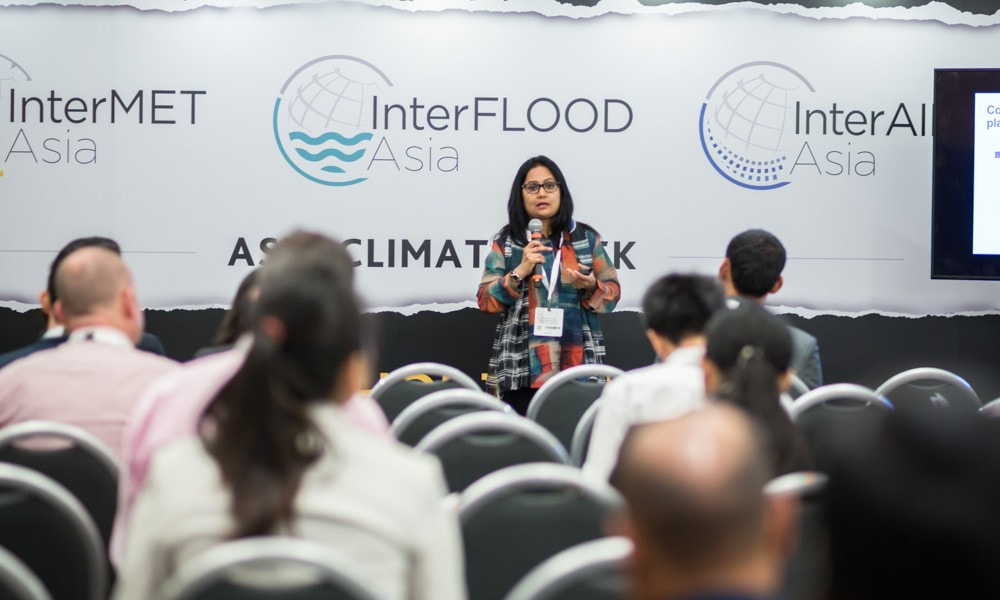







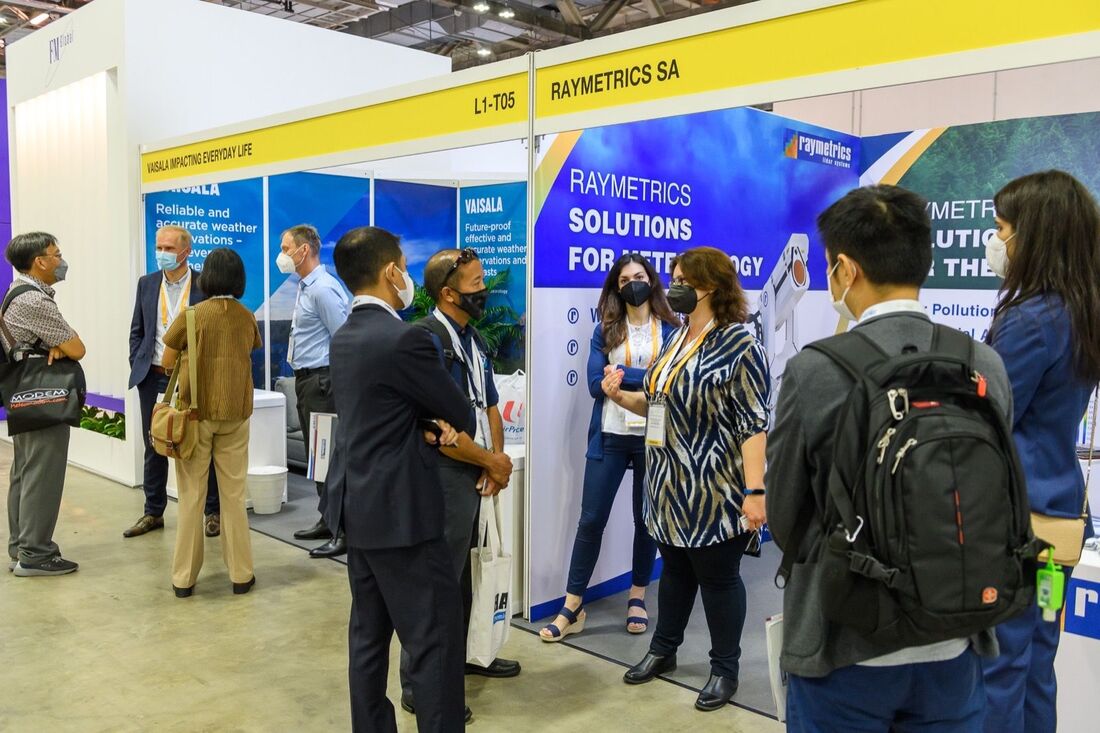
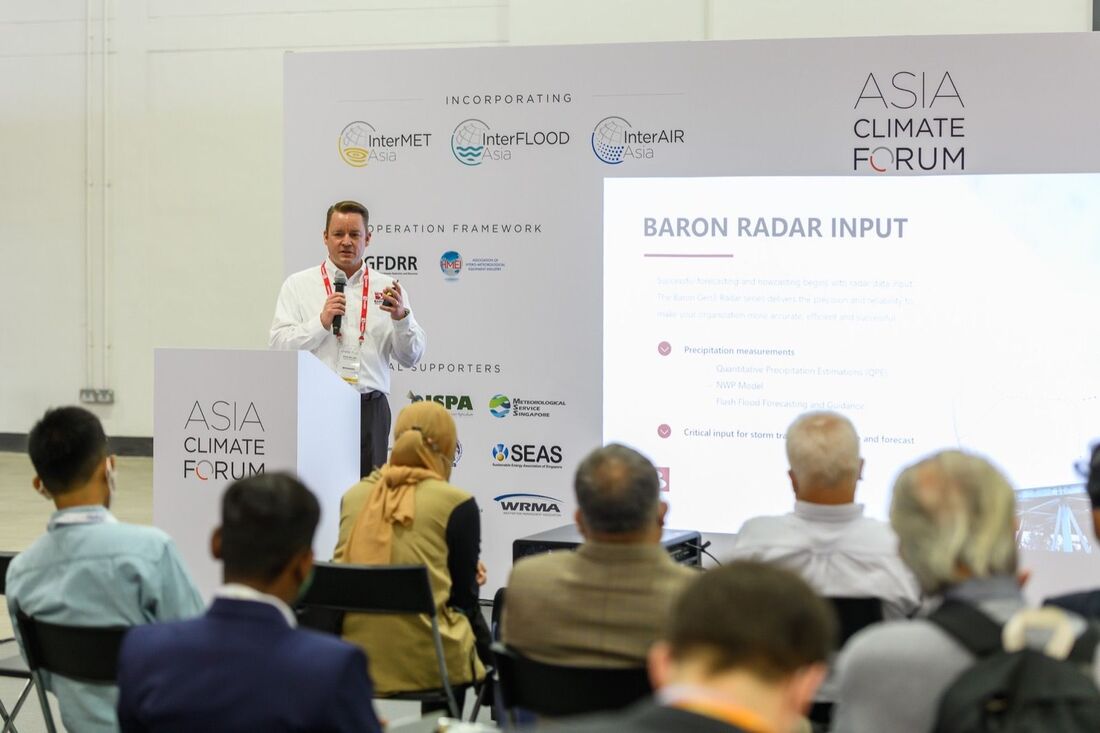
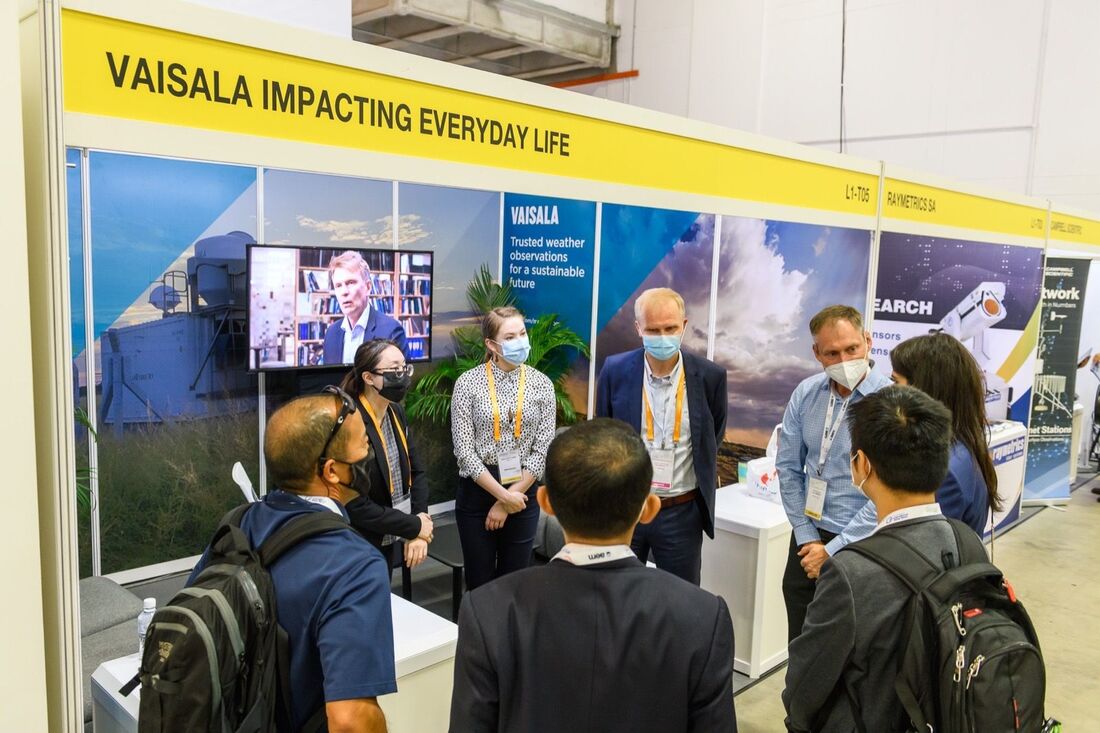
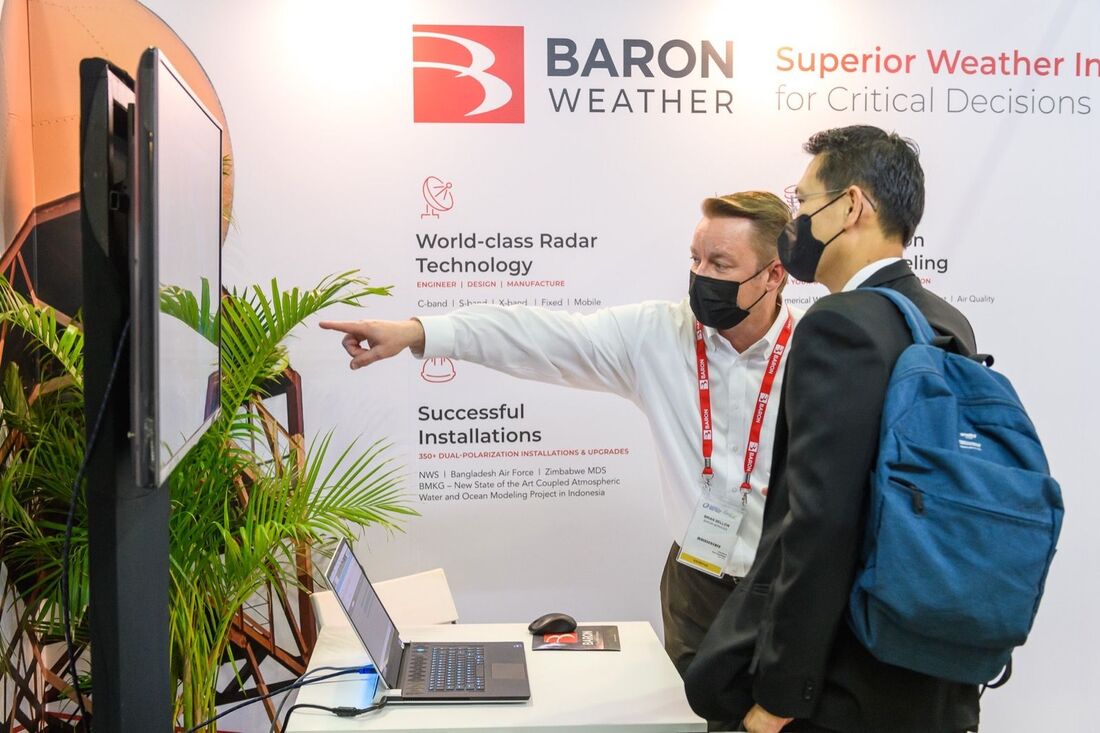
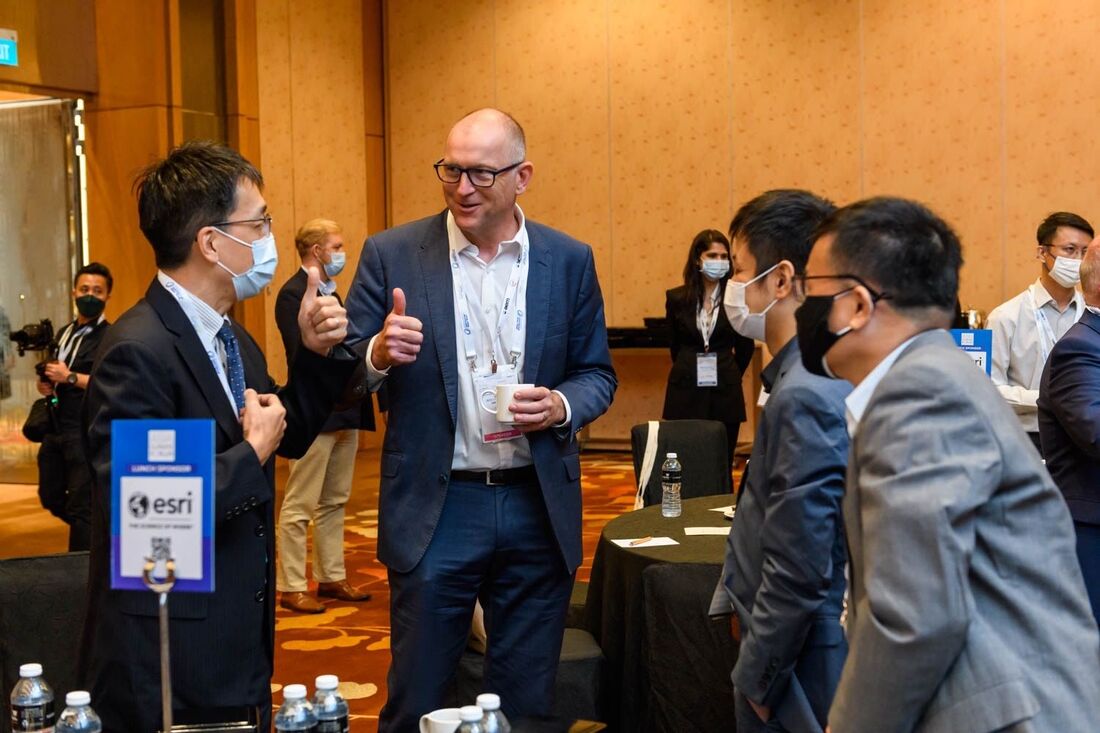
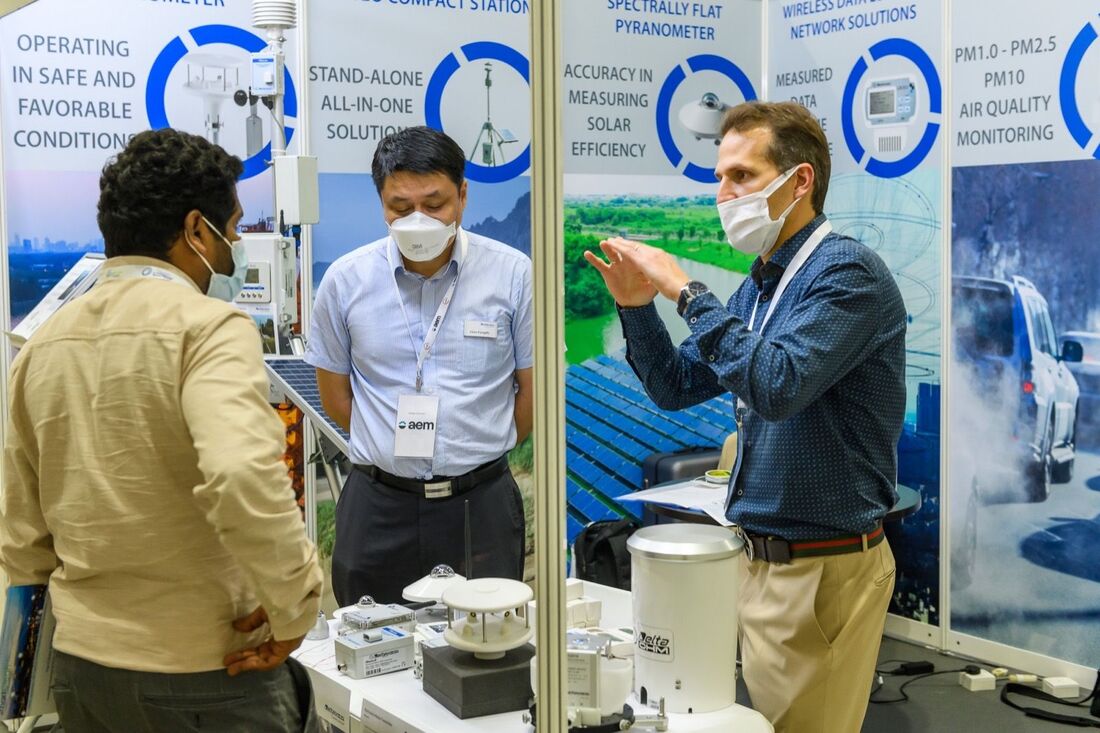
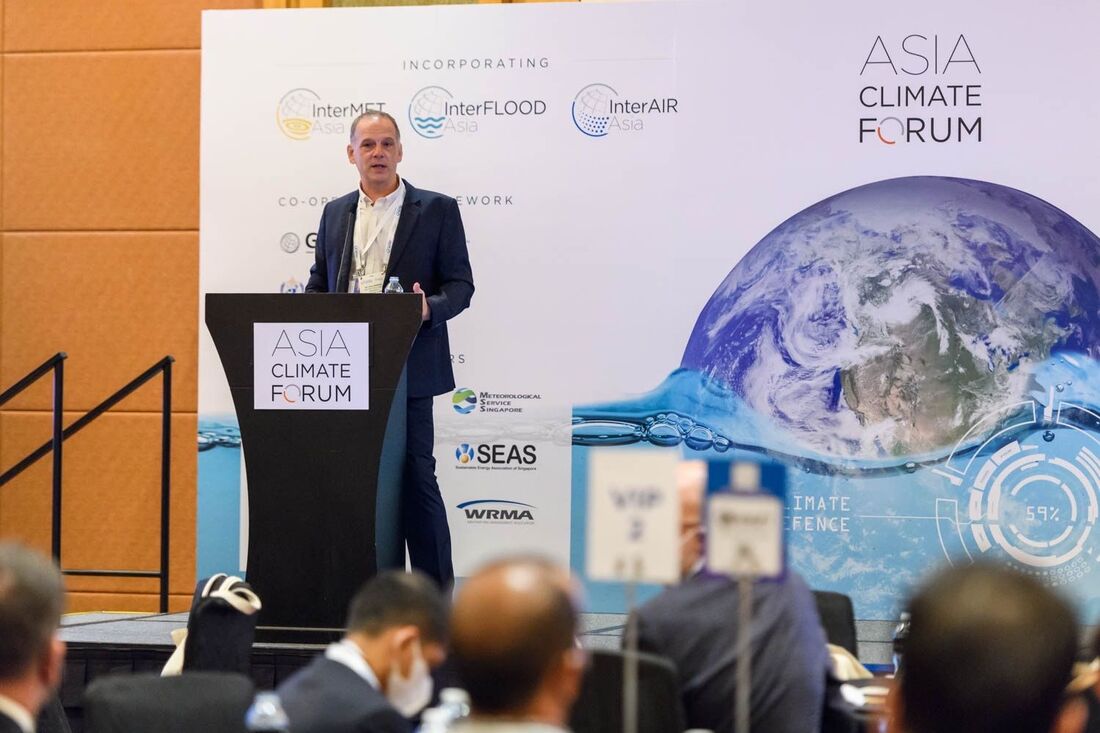
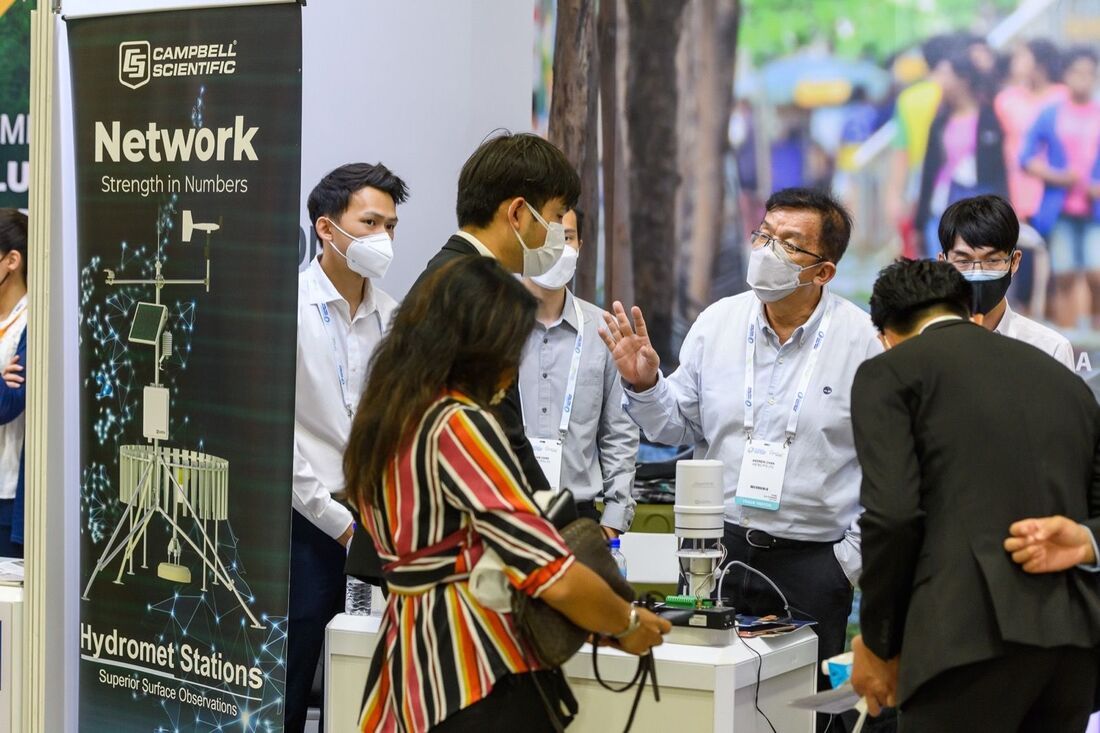
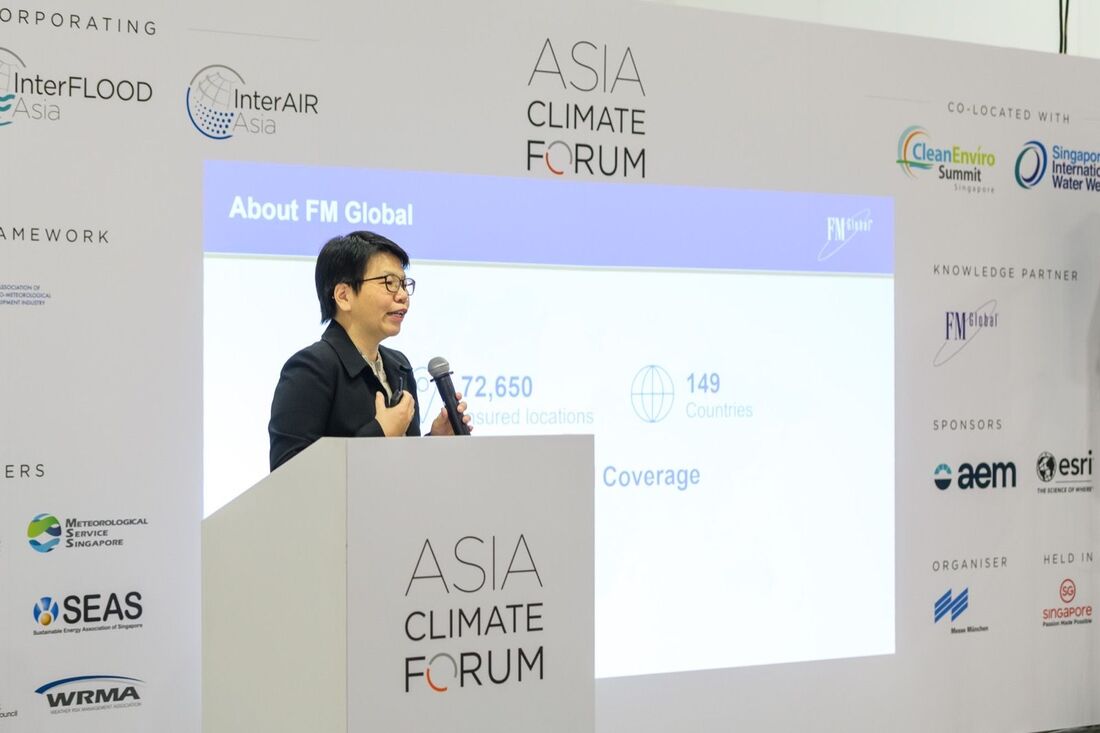

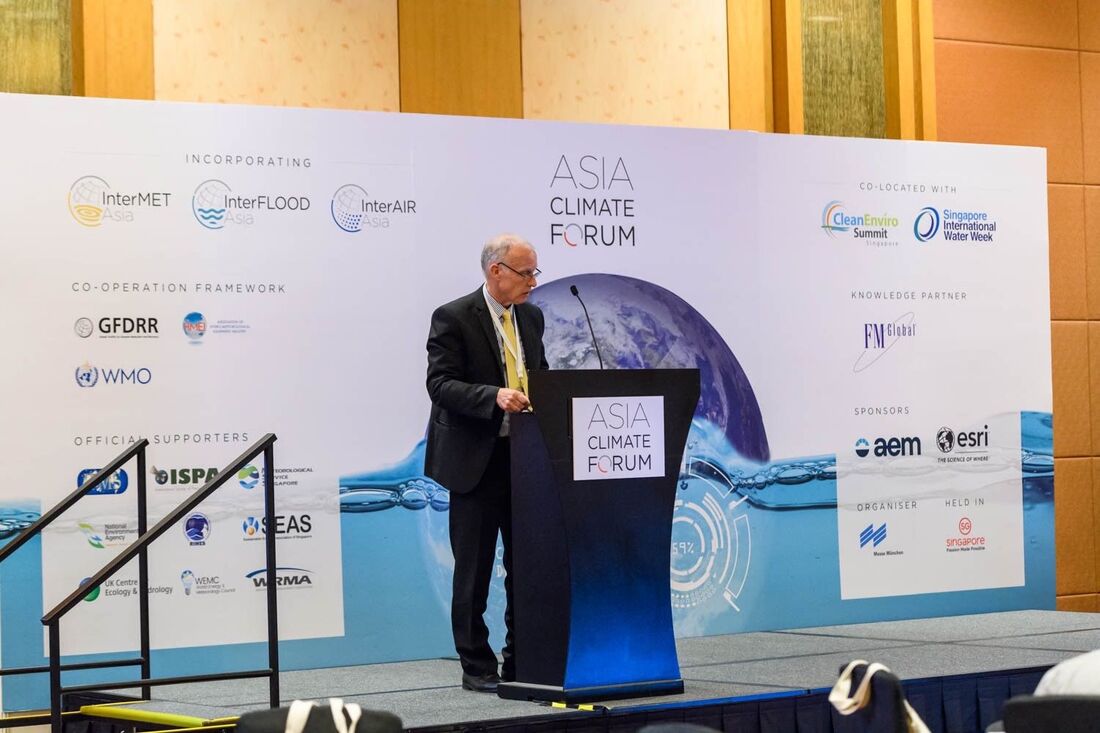


InterMET Asia 2023, now entering its 8th successful year, combines a specialised exhibition and a conference strongly focused on applications across a range of key activities.
It is also a forum that brings together equipment manufacturers and service providers with the WMO, the national meteorological and hydrological services (NMHS) and key organisations such as National Environment Agencies and the World Bank.
Rapid population growth and urbanisation, along with extreme weather and climate change are having major impacts, with potential catastrophic consequences for life, business and the economy. Asia is one of the world’s most exposed regions.
Today’s challenges demand a new way of thinking, a new way of funding and a new way of forecasting as weather patterns change and urbanisation increases.
The 4th edition of InterFLOOD Asia is a timely event, focusing on these challenges, offering you the opportunity to anticipate, mitigate and manage flooding impact via the conference, free hands-on workshops, and an international exhibition of flood management companies.
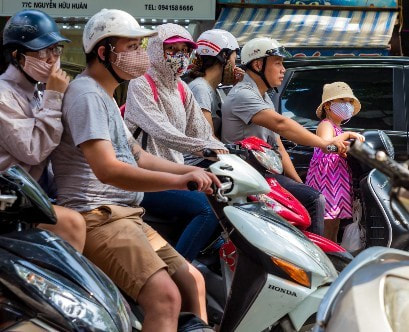
Around 8 million people die every year from poor air quality, many of them in Asia, where 4 billion people – 92% of Asia and the Pacific’s population – are exposed to life threatening atmospheric pollution. With population growth and rapid urbanisation the situation is getting worse. The levels of carbon dioxide, methane and nitrous oxide are now at their highest levels for millions of years while the inhabitants of 98% of cities in low and middle-income countries with populations above 100,000 are breathing heavily polluted air.
InterAIR Asia is a new regional event dedicated to showcasing the technologies crucial to addressing this increasingly costly threat to public health and economic sustainability.
In conjunction with the established InterMET Asia programme, it will investigate how innovations in air quality monitoring, data availability, and accurate meteorological forecasting can mitigate pollution episodes and make possible early hazard warnings – reducing mortality, improving the quality of life, and building economic resilience.